conveying mood
May 14, 2015
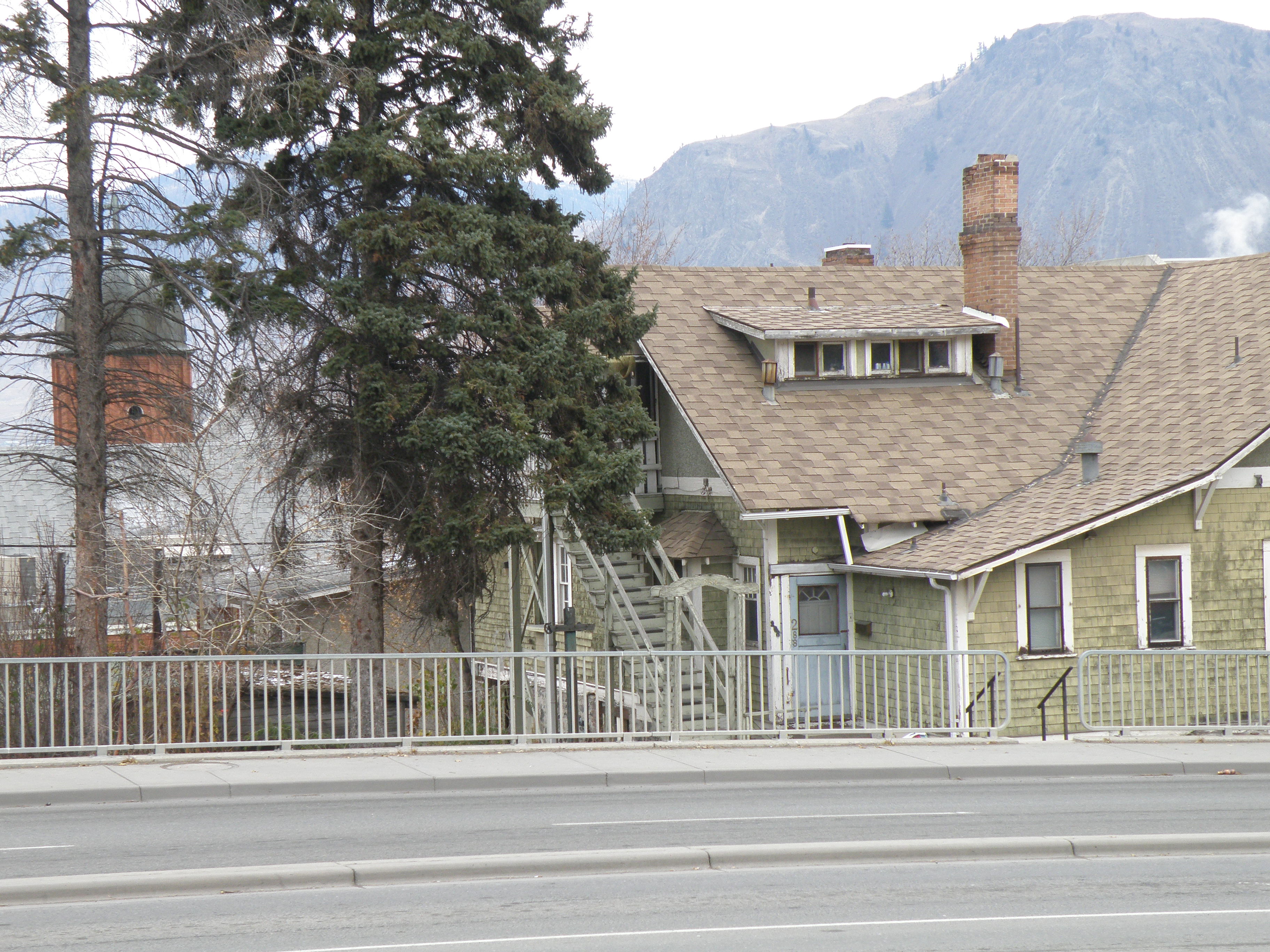
THE HERITAGE HOMES in our city of Kamloops were built at the turn of the 20th Century and are really rather distinctive, reflecting a very decided Victorian panache. Here are a couple which have been perfectly maintained….


PAINTING-WISE, the more interesting homes are, for me, the ones which have been given up for rooming houses, and therefore rather neglected….
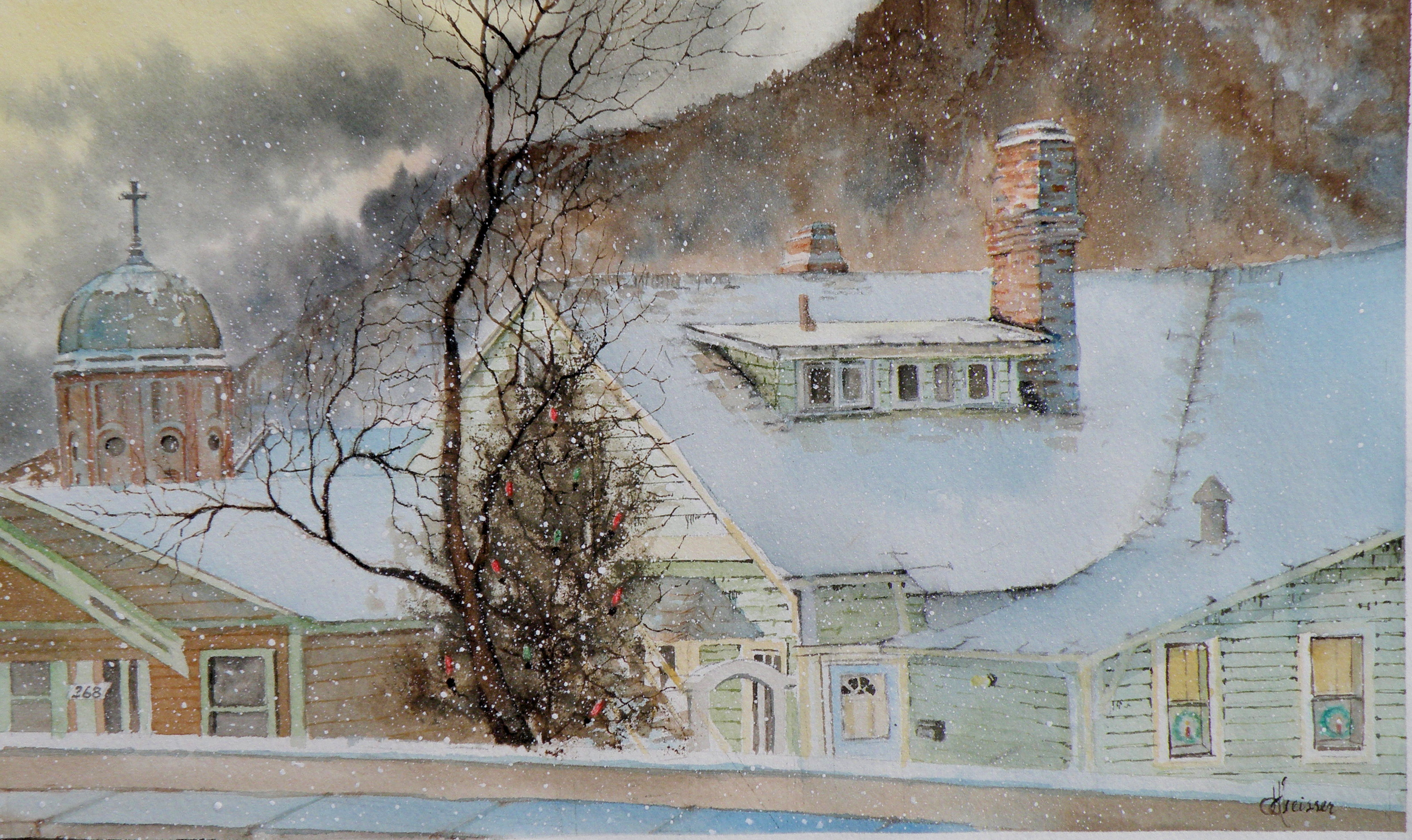
‘Columbia Street Noel’, 7″x12″, watercolour, (sold)
THE OBJECTIVE is to successfully convey a particular mood to the viewer–in this case, a certain melancholy–a fragile attempt at dressing-up a once-proud home in the midst of frigid temperatures and icy snow.
The buyer of this painting saw it in the Gallery and exclaimed that her parents had had this house built, and immediately claimed it for her own. It suddenly made me wish I hadn’t been quite so accurate about painting in the worn and shabby details.
tortured brushes
May 12, 2015
THE BEST BRUSHES–in my wacked estimation–is a dollar store packet in the crafts section, next to those garish tubes of glitter and such. The second those poor things get home, they undergo an Edward Scissorhands attack that is not pretty.
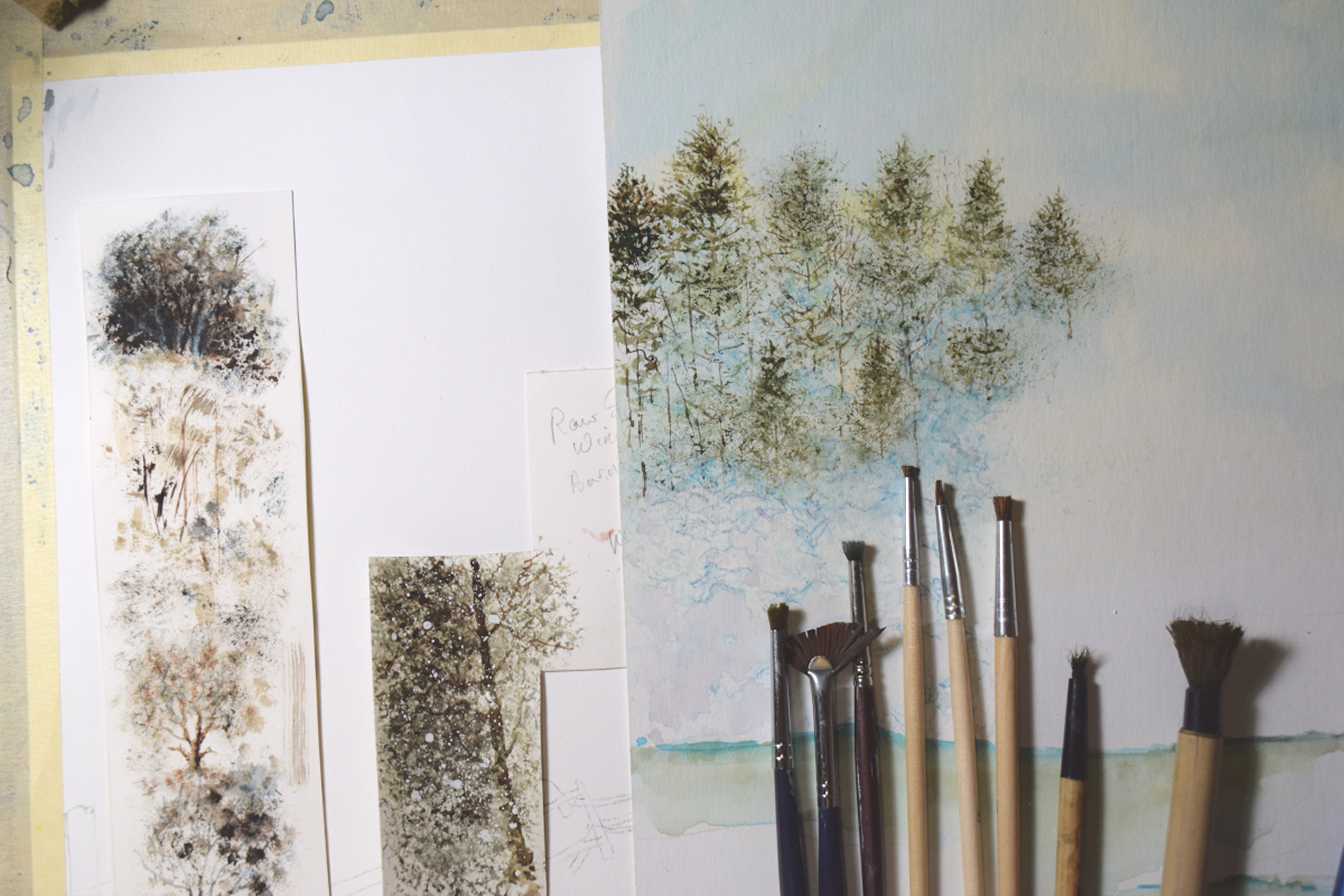
SECOND-HAND STORES also usually have some wonderful, pathetic-looking excuses for brushes, pretty much being handed out for free.
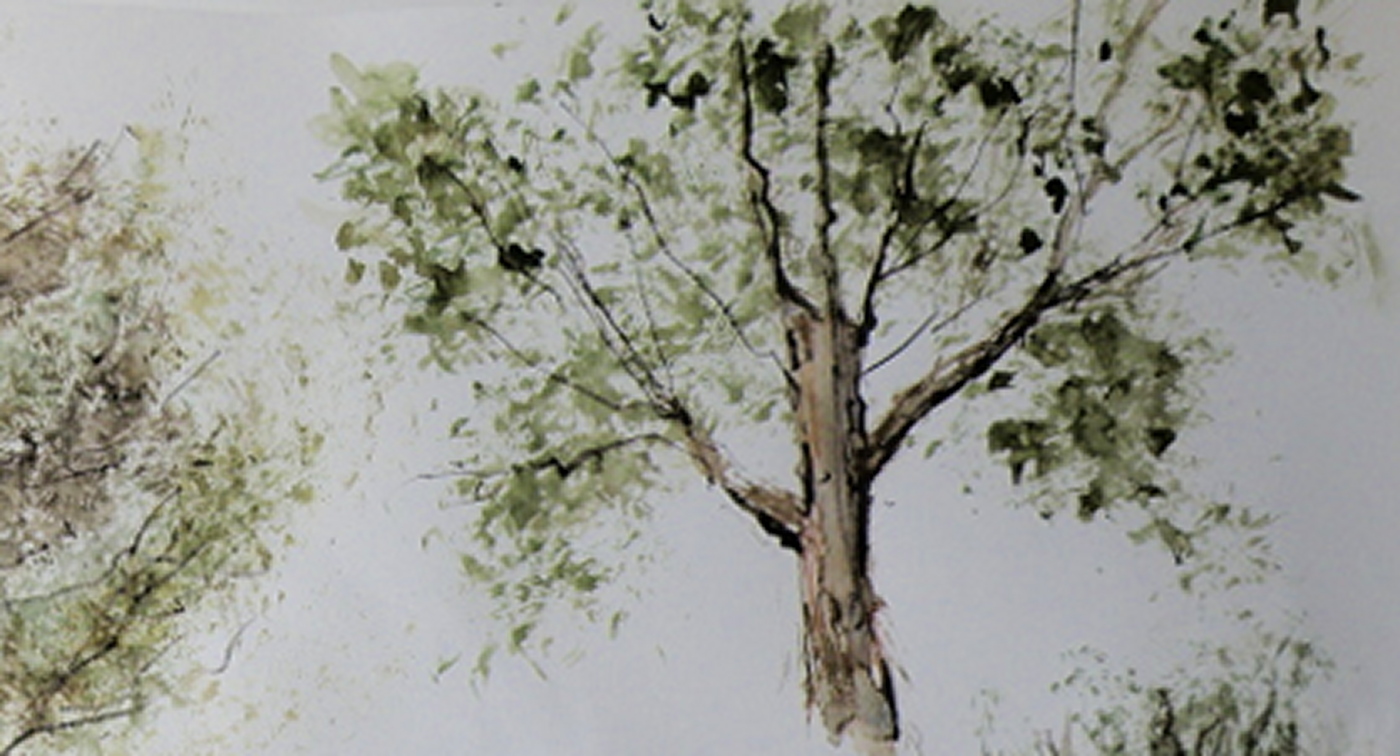
VERY FEW BRUSHES I own get to keep their original shape except ones sized 0, 00, 000, and 0000. For some additional fine work, a nib pen loaded with watercolour does well also. But for large areas, chopped-up, hippie-freak brushes are like, tubular, man.

FORGET SABLE–even squirrel is too refined–woodchuck, maybe–and those synthetic sponges on handles used to paint walls with are good, too.
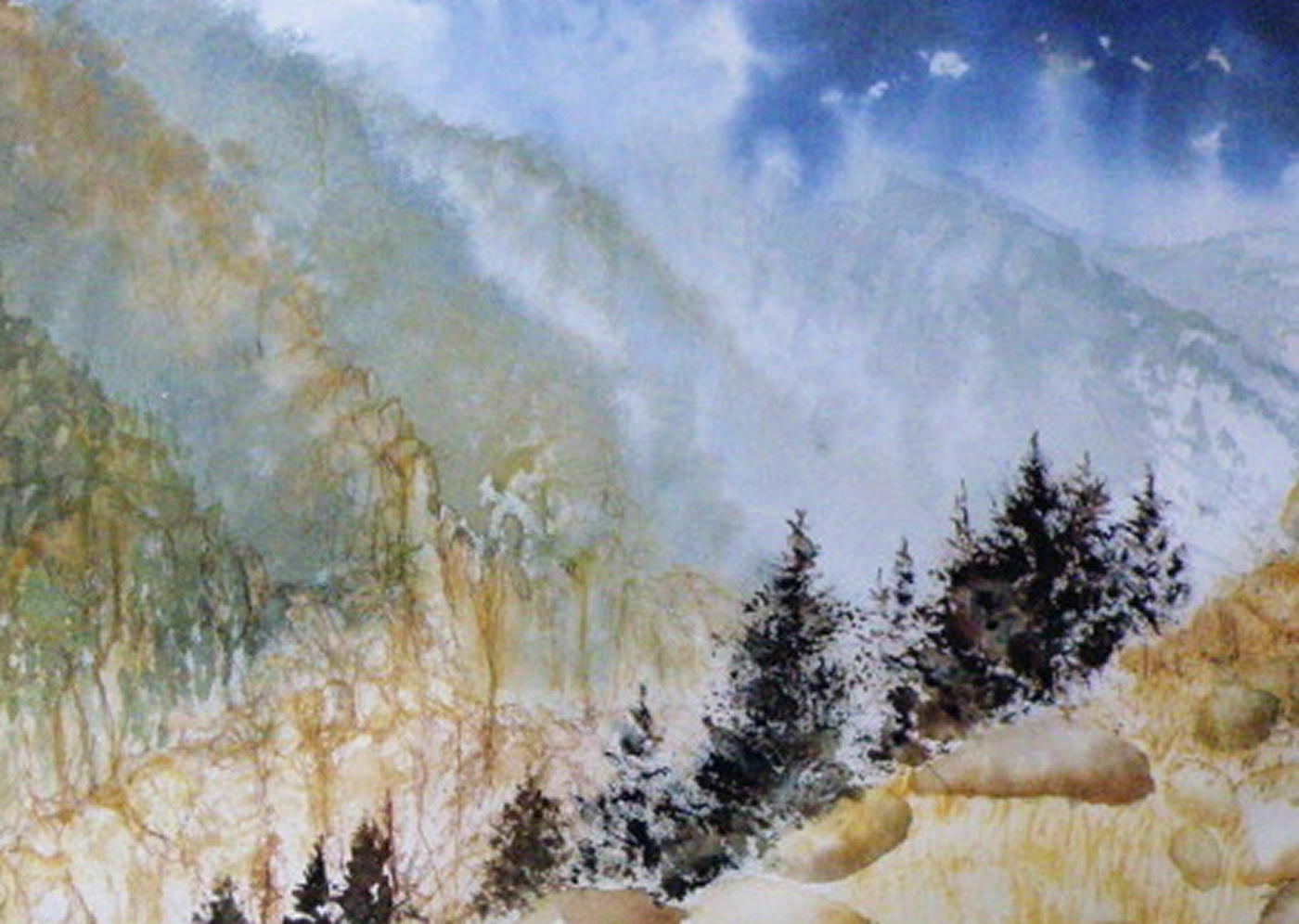
‘Mountain Mists’, 20cm x 28cm, Arches hot press 140 lb paper
THE TRUE ENJOYMENT OF PAINTING comes when viewing how another painter’s personal and unique need for self-expression realises itself in ways personal and unique. Interaction with the subject demands an approach which only the painter her/himself knows is right.
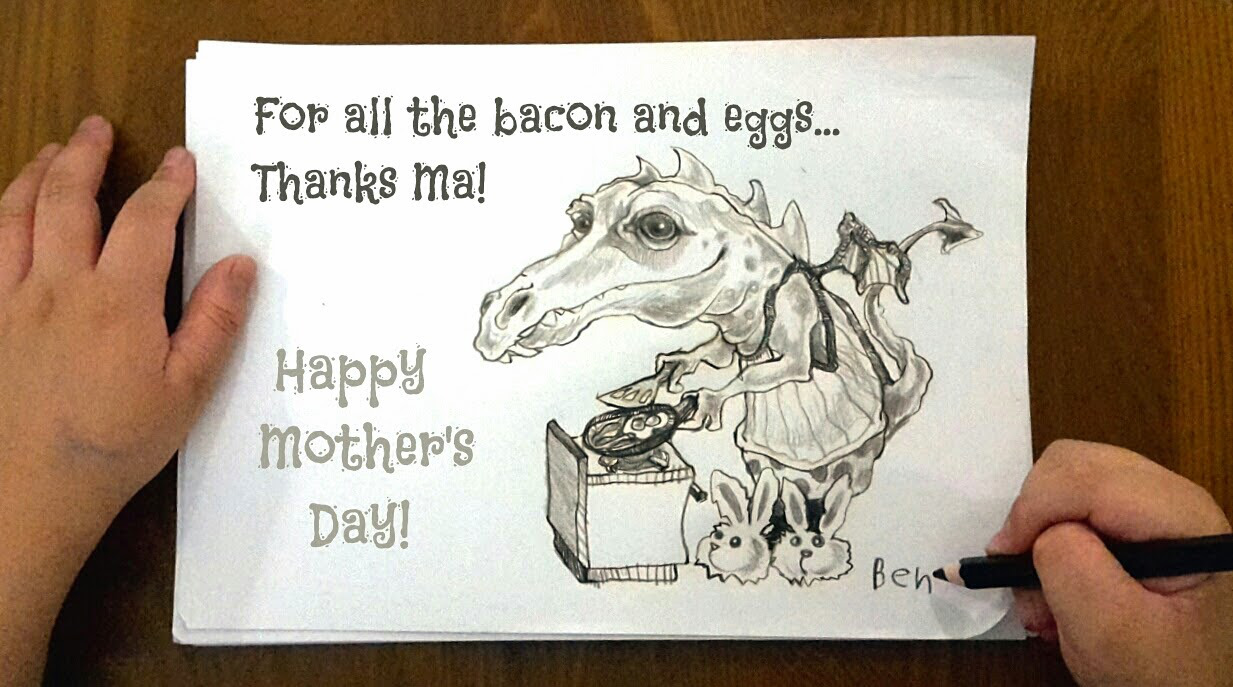
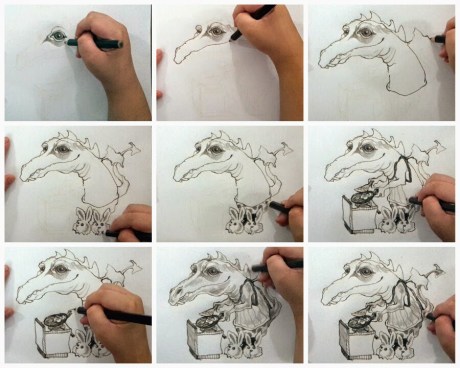
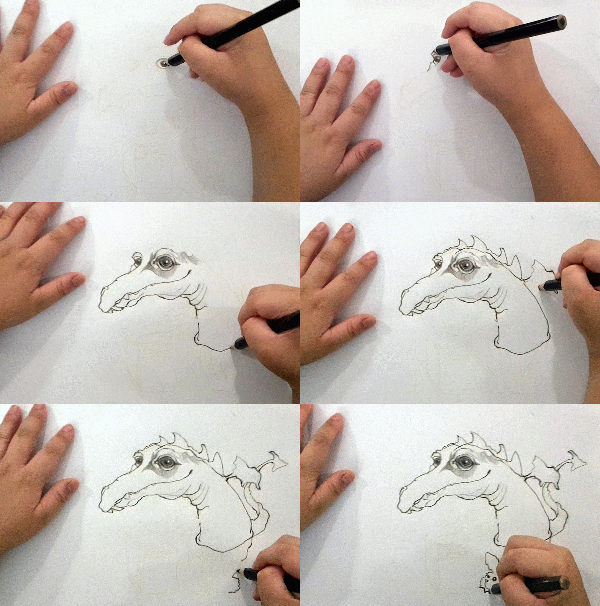
Bacon & Eggs
May 10, 2015
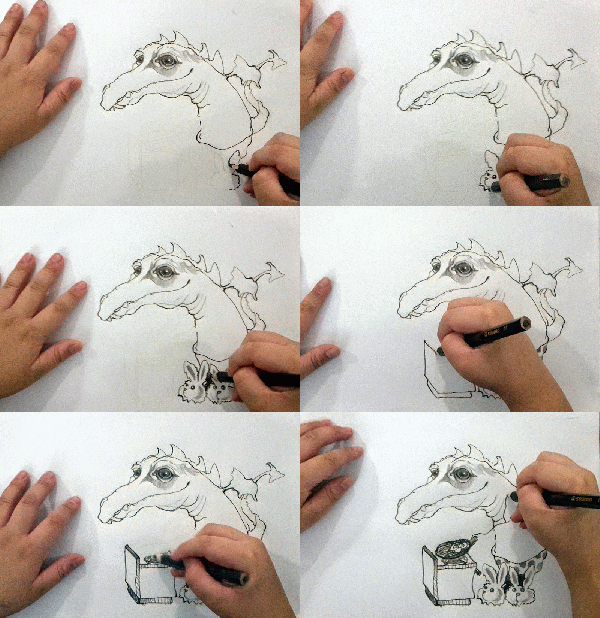
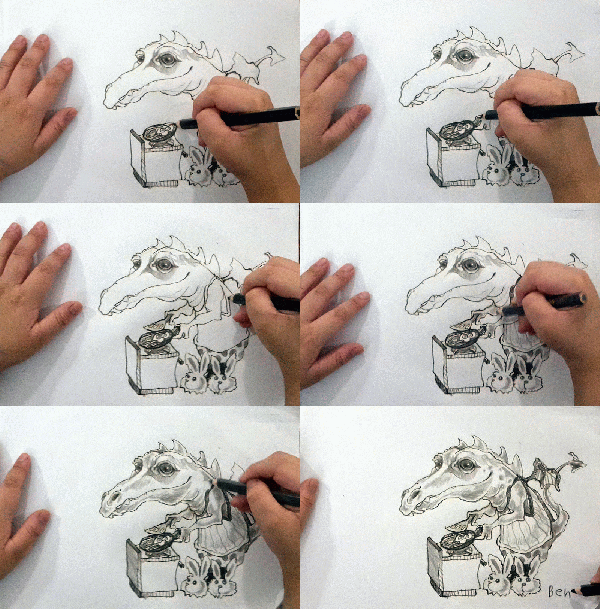
What a way to bring joy to a very nurturing Mom…

Cornelia
May 9, 2015
AT OUR RECENT FEDERATION OF CANADIAN ARTISTS ART SHOW, I kept coming back to look at a piece by the Vancouver painter Ali Sepahi. (www.sepahigallery.com)
BECAUSE OF RECENT KINDNESSES SENT MY WAY by people requesting commissions, I had enough moola burning a hole in my pocket to be able look at his painting with acquisitional eyes.
BUYING ARTWORK is a wonderful delight that I don’t give in to unless someone is buying one/some of mine. And I am not beyond bargaining. If I only have X-number of dollars from a recent sale, that is all I have to spend (a necessary and self-imposed rule).
IF I DON’T HAVE ENOUGH MONEY from having sold something of mine–and the painter I’m negotiating with can’t meet my bottom line–I have to walk away. And that is sometimes very very difficult to do. Usually, however, an arrangement is able to be made–but has to be done once an art show or exhibit has closed, and–of course–the painting outlasted the event and went unsold.
THIS PAINTING WAS ENTITLED ‘Grandma’. Not being greatly enamoured with that choice (after all, I don’t exactly enjoy being looked at by onlookers as ‘Grandpa’), I researched female names and after dithering a long time decided the work was to be re-christened ‘Cornelia’. That’s because I don’t know any Cornelias. [I was going to name her ‘Beatrice’, but I already know a Beatrice, and it wouldn’t do — insights into my slightly OCD brain.]
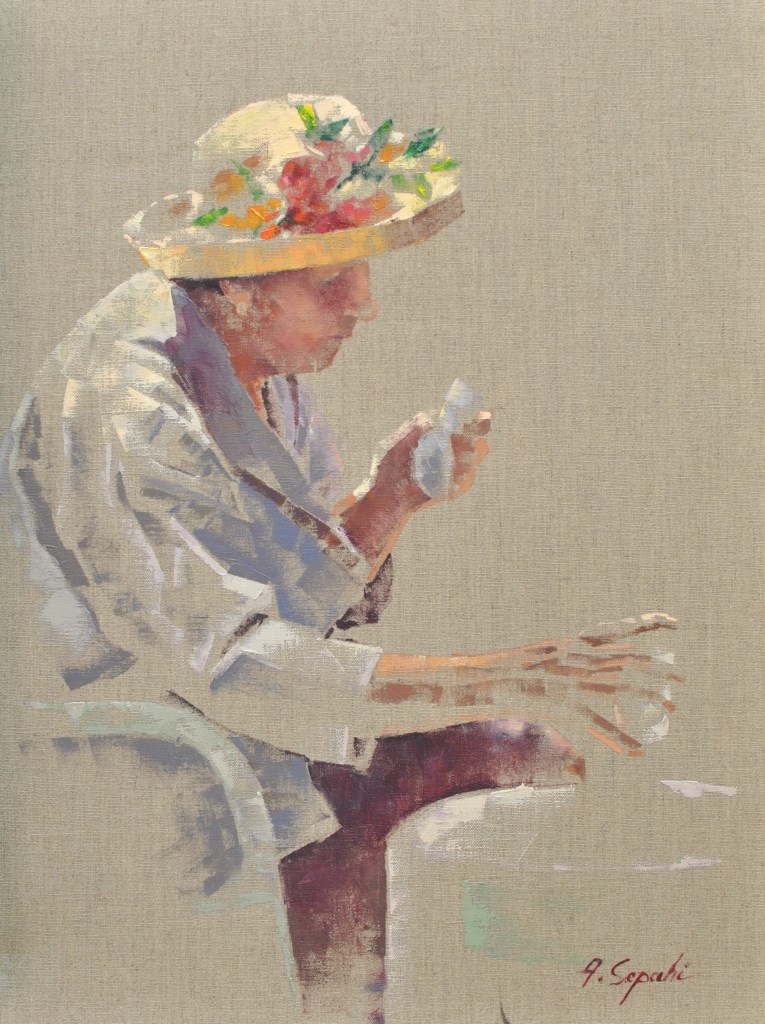
Ali Sepahi, oil on canvas, 61cm x 46cm (24″ x 18″), painted using a colour shaper
THIS WORK IS ABSOLUTELY STUNNING in my book. The brevity of line, sparse delineation, those slight indicators of head tilt, clutch of serviette, careful reach towards drinking glass–oh my, oh my, but this is GOOD. And crowning it all is the floral panache of a hat chosen to show that underneath it is no ordinary person willing to be defined by age or the brittleness of what our ripening years dish out.
FOR TEN YEARS my profession was that of Clergy–Presbyterian–and prior to that, my experience of memorable people in the manner of this painting, was due to my having been born ‘a child of the Manse’. The ‘Cornelias’ I have been privileged to know, and yes, love, from my childhood onward, have been many. Observing each one, discreetly attending to her carefully chosen paper plate of chicken salad–sitting apart from the younger ones at wedding receptions–finding that place under a large oak at the Sunday School picnic–not wanting to be obvious, while wearing a hat which was anything but humdrum, I knew before long I would be making my way towards her. And she was always gracious in welcoming me–whether I was 8, or whether, wearing full collar, I was approaching as her Cleric–ready to amuse me with wry observations, regale me with stories of memorable wedding disasters, charm me in a smilingly-hushed voice, all the while allowing her milky-blue eyes to convey her longing that I not yet go visit someone else, and leave her–once again–all alone.
IT MAKES MY OWN EYES WELL UP EVEN YET, how the Cornelias of this world have unexpectedly nurtured my needy heart time and time again. And it will be an honour and a privilege to find her–this Cornelia–a treasured place on the dining room wall, even as we observe yet another floral-hatted Mother’s Day Sunday.
painting pickles
May 7, 2015
CAMPING ALONE along the Oregon Coast–that fantastically alive strip of ocean wonders–provided many outdoor painting pickles. . . .
PICKLE #1–mosquitoes and bugs. Surely some art restoration expert somewhere has discovered kamikaze mosquitoes embedded in the impasto of Impressionist art. French curses likely filled the air, Claude spending as much time squashing bugs as trying to capture the light. Imagine the fog of mosquitoes waiting for him up beside those water lilies;
PICKLE #2–the wind. Big, dramatic, vividly-alive ocean waves are that size because of the wind. The wind along the Oregon Coast is permanent and robust. It carries away notebooks, sketch pads, laptop easels, flimsy plastic pallets, kolinsky brushes, art pencils, and tissues. And, as one panics, dashing after them, fresh water rinse containers are spilled (of course, the nearest fresh water source is at the damn parking lot bathroom), and then (naturally) there goes the lawn chair, too–end over end, heading towards the box kite-flying couple smirking at the Mr. Bean imitation. Everything rescued, finally sitting, easel anchored with one determined hand, brush swishing about in the water jar, a sudden gust throws sand over everything, and the stupid tilley hat Christmas present (guaranteed to age a person 20 yrs, whether 25 or 55) is seen sailing out towards the surf, the wind carrying away the muttered sounds of ‘good riddance’ along with it.
PICKLE #3…..time and tides. Outdoor painting (forget this en plein air crap–it’s called painting outdoors) isn’t done in studio time. It’s done in real live time. The tides never stay put. So the grand, thundering waves are either constantly retreating as the scene is being depicted, or–this is nabob of stubbornness–they are approaching at an erratic, yet ever-constant rate, until the-I’m-staying-put painter sees his supplies (pallet, paint box, little stool, brushes, tubes, you name it) suddenly sucked out into the collapsing surf of an unannounced, really big wave–a REALLY BIG WAVE–which is about to be followed by another.
PICKLE #4…..no supplies left…..
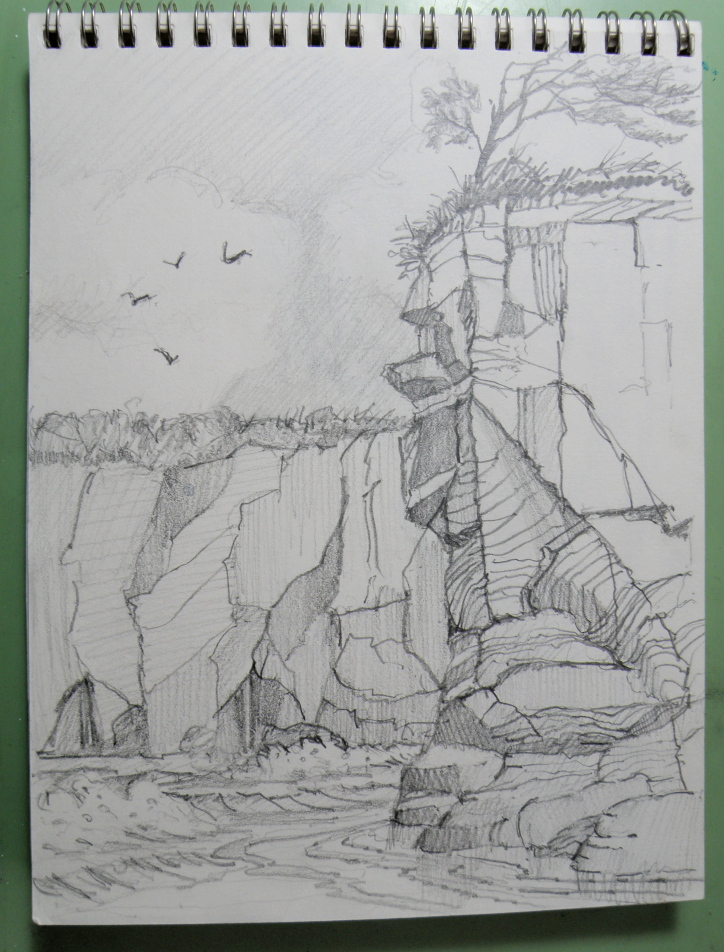
cliffs near Newport Beach, Oregon
….. and sketching is suddenly the preferred medium….*sigh*… and geriatric Charlie Brown decides to go find some fish and chips–and a local art supply store.
…..and maybe a therapist. or a bar.
eggs as canvas ….
May 5, 2015
DUCK EGGS ARE THE BEST for receiving watercolour pigment. They have a satiny shell surface. Chicken eggs are better if one is using the ancient Ukrainian Orthodox, bees wax, kitska stylus, and dye method.
Chicken eggs have a kind of chalky, calcium-like surface which, yes, can be painted, but feels like the cheaper version of a duck egg. [Oh my, that probably tops your abstruse observation quota for today] Ahem….plowing-on into the arcane . . . a duck egg is more forgiving a surface because removing mistakes is easily accomplished using a Q-tip.

(above) Chicken Egg Christmas ornament using bees wax, Ukrainian kistka stylus and traditional dyes

Watercolour Painted Eggs, (four duck eggs, one goose egg)
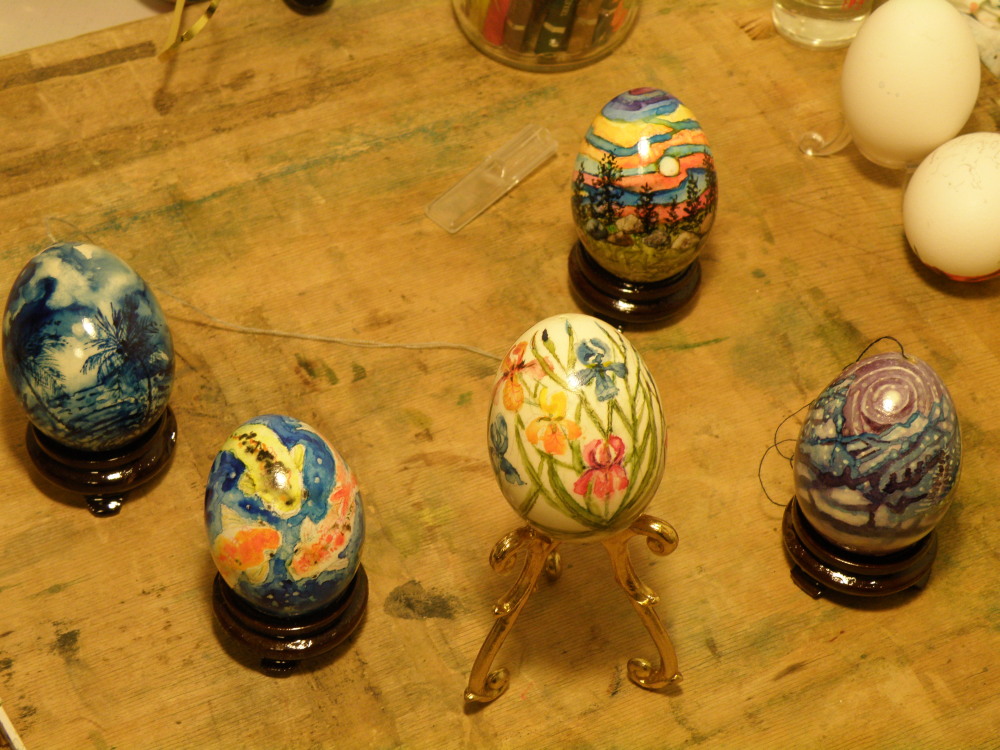
Hand-painted Christmas Egg Ornaments, watercolour, with multiple, clear fixative layers applied for protection.
The impetus for exploring eggs as a painting surface came from my having seen, as a child, hand-painted blown eggs with Spring flowers on them, gathered and hung by streams of ribbon for an Easter breakfast within our German church. Their beauty gave me new eyes and I viewed my grade school wax crayon attempts with a certain childish contempt. And it perplexes me still, that such a long ago vision remained an artistic impulse to do for myself what I saw modelled back then.
What has put my egg art enjoyment on (permanent?) hold is my having received two Peacock eggs that I delayed blowing-out….only to have them explode all over the walls and ceiling just as I was finally drifting off to sleep one night, months after they were given to me.
You seriously do not want to know the level of grossness — the vile, rank, and utter foulness — of having to clean up an entire living room punctuated, peppered, with rotten Peacock egg at one o’clock in the morning.
My childhood vision of hand-painted Easter eggs has been forever cataracted by the Peacock eggs from hell.
composition woes….
May 3, 2015
MY GREATEST CHALLENGE when painting anything is composition. For years I felt I was being a ‘purist’, insisting that I always paint on location, never in a studio setting. And once at the location, I convinced myself that if a tree was in that spot, then that was how it needed to be depicted.
IT WAS ALL DUE TO my tendency to early-on stop referring to the subject in front of me and become more and more involved in what was happening on paper, to the point where I may as well have not been on location at all. So in an effort at self-discipline, I decided that not only should I paint what things actually look like, I shouldn’t muck around with how and where ‘mother nature’ placed them.
THE SILLY THING WAS, I ended up choosing a composition by default because of course, I couldn’t paint everything my eyes saw in front of me. And more often than not, it was not a good composition. So now, not only do I go to some lengths to study the skill of creating an interesting arrangement, I realise it is the painter’s task to take what ‘mother nature’ provides and make art out of that. Fences do need to be repositioned, as do trees and hills and clouds.
SO NOW I MAKE thumbnail studies first on matt board before beginning anything . . .
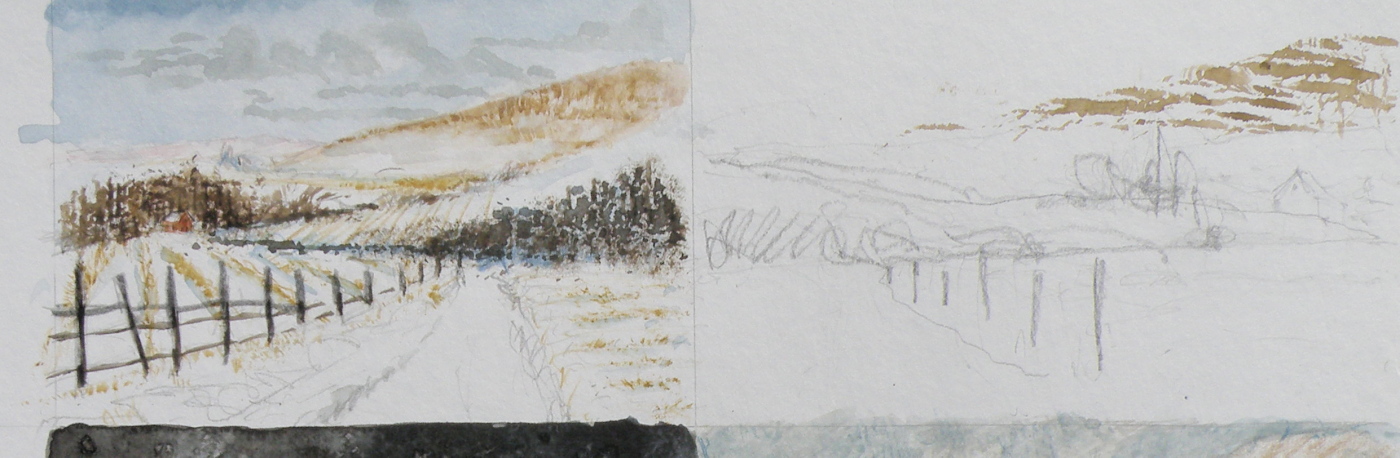
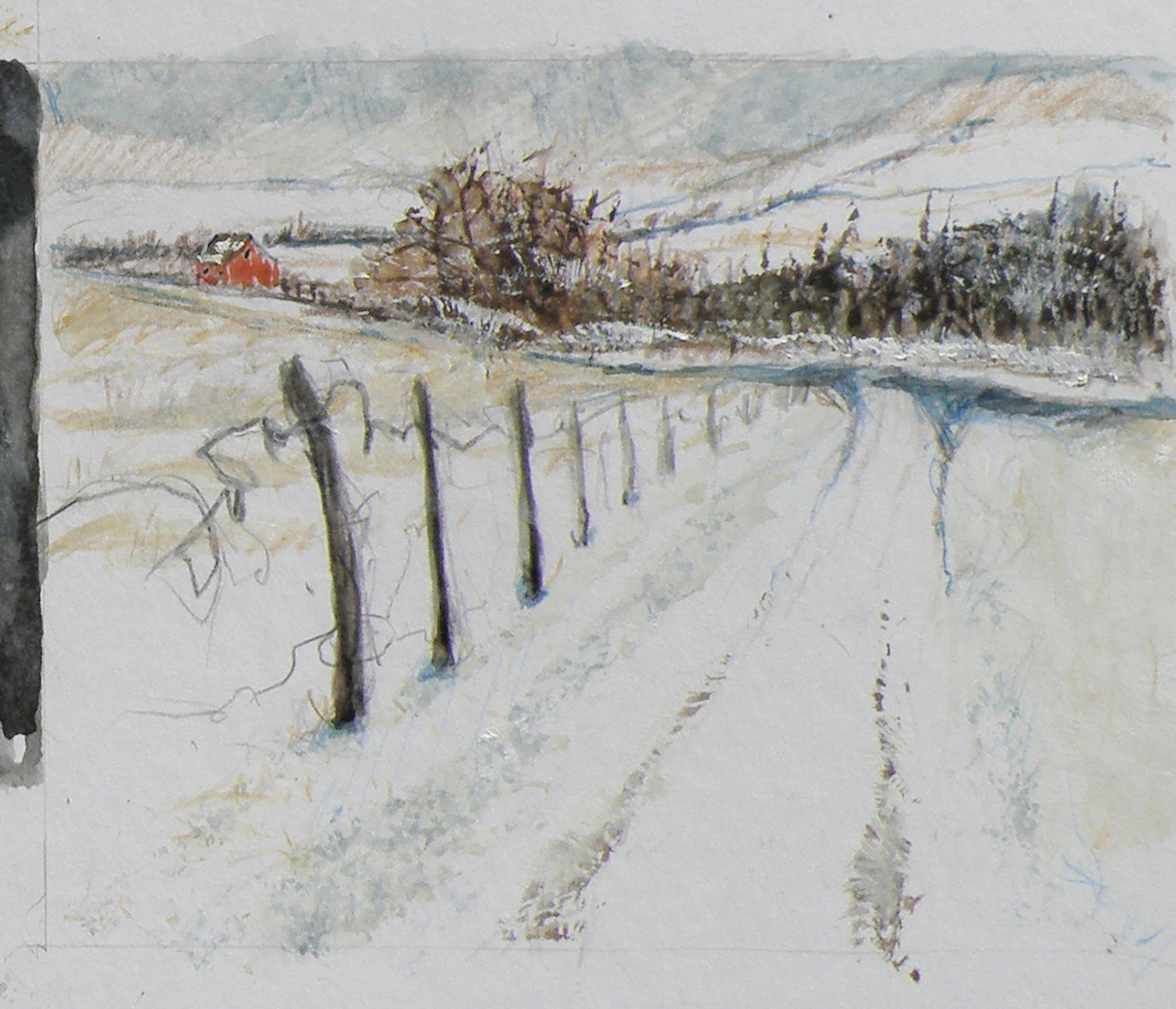
THE OBJECTIVE is to provide a focal point, a visual way in towards it, then additional visual interest so the eye has more to discover by wandering beyond the subject itself. These thumbnails are exploring the use of a compositional figure ‘Z’ shape to lead the eye of the viewer.
The Gleaners
April 30, 2015
THE GLEANERS is a renowned painting by Jean-Francois Millet, finished in 1857.
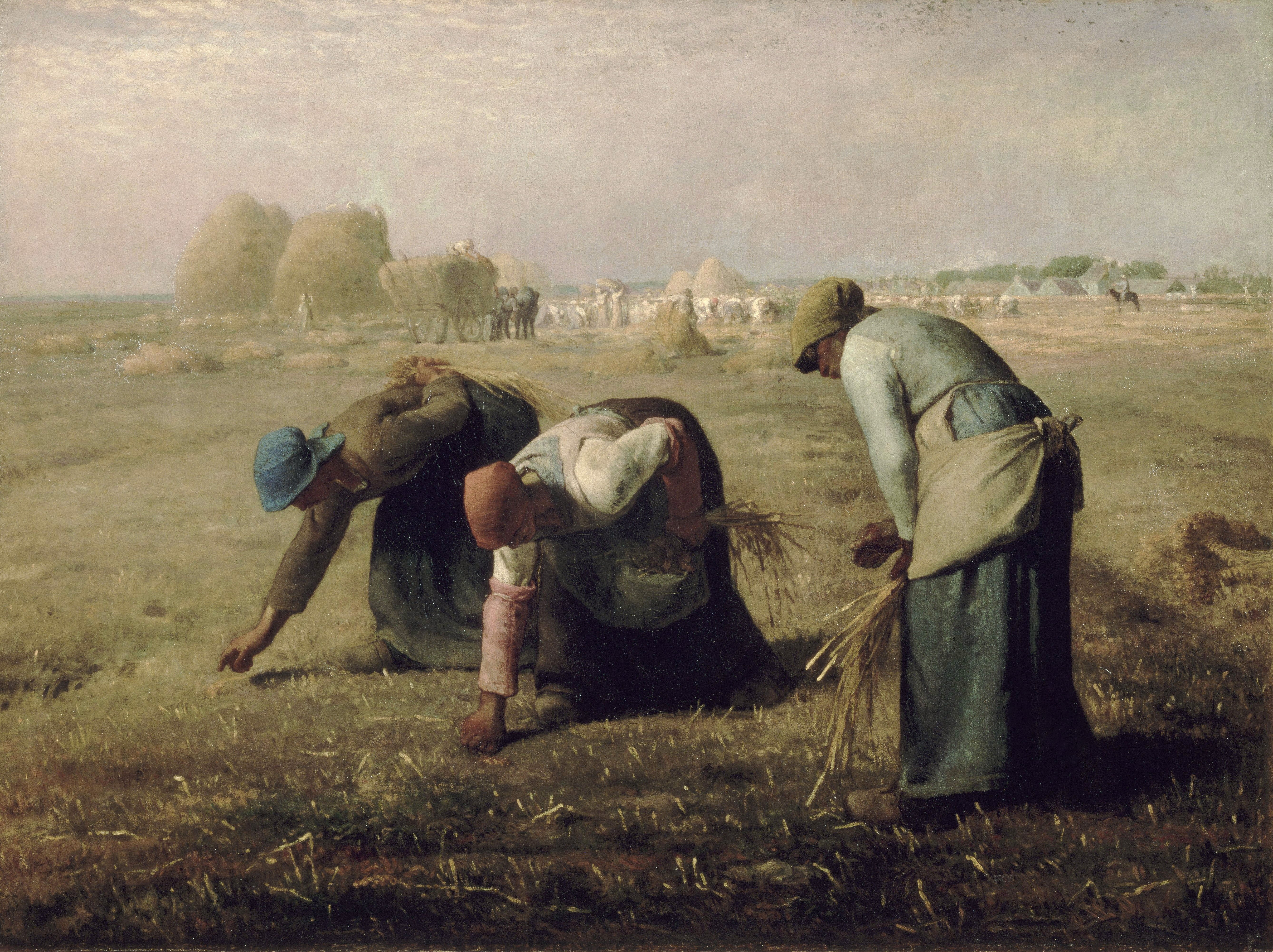
It was controversial in France for its depiction of the lowest classes of society, picking from the fields what little was left after harvest. Prior to this, paintings of people were usually paintings of people who were rich enough to have their portraits done.
THERE WILL ALWAYS BE GLEANERS, as we know. And each of us, in our own way, were often taught by our parents to make good use of every last bit of something, including the meal(s) in front of us.
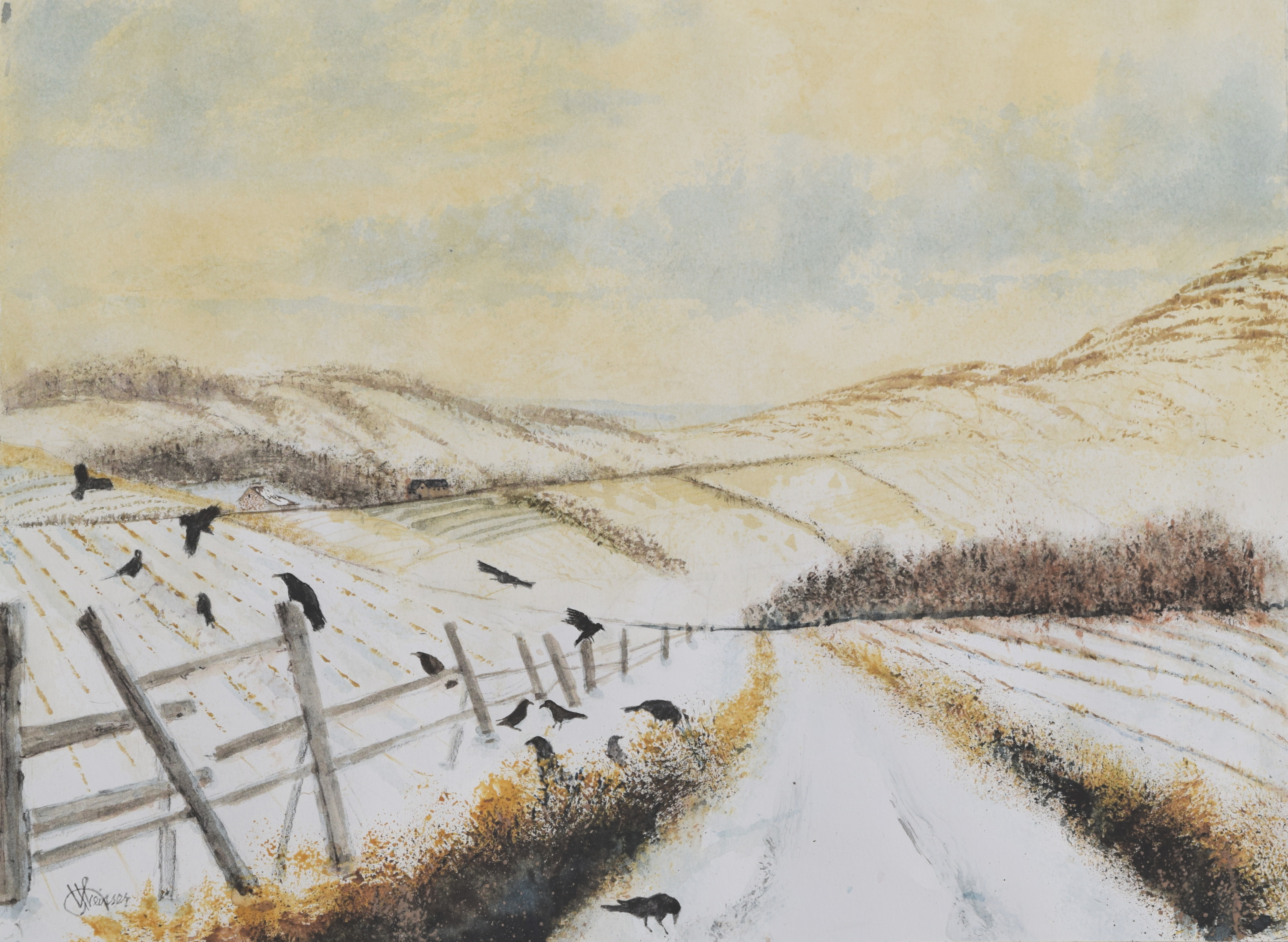
IN THE ANIMAL WORLD, Ravens are gleaners supreme, going after what little remains of just about anything left behind, tossed aside, or just there for the taking. Yesterday I encountered one in the parking lot of our local Mall, hopping about a garbage can with a broken wing, waiting for someone to provide some slim pickings. Its noble bearing and size–the gloss of its plumage, the inherent dignity–only added to the poignancy of its situation. And yet, it wasn’t exhibiting signs of pain or discomfort, just a keen willingness to take what it could get and survive. And glean.
commissioned work . . .
April 28, 2015
I HAVE NEVER TRAVELED to Europe, except through the amazing blogs of those I follow. The countries I have had the privilege of visiting have been confined to Canada (10 of the 11 Provinces); The United States (45 of the 50 states); Israel (1989); Taiwan (2002); and The Philippines (2003,04,05).
OUR FINANCIAL ADVISOR’S FAMILY comes from Italy and she went to visit the cities and places which mean the most to her, and asked me to paint a watercolour based on the photos she provided me with upon her return . . .
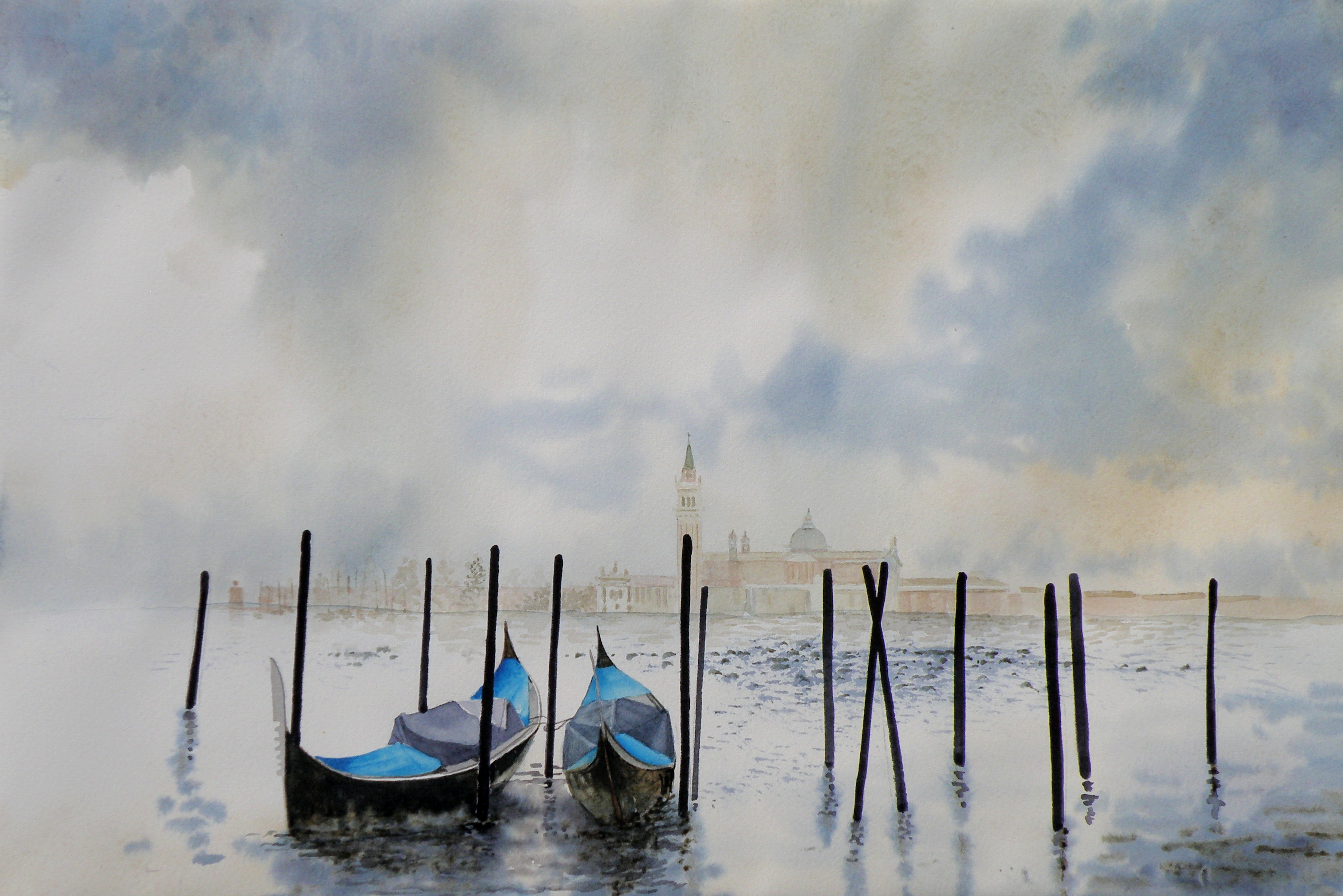
Campanile de San Marco
33cm x 50cm (13″ x 20″) watercolour on 140 lb. Arches Hot Press Paper
‘Award of Excellence’, Federation of Canadian Artists, 2013
IT WAS A PRIVILEGE being able to work on this scene for it allowed me to be there, even though I wasn’t (smile).
Silt Bluffs
April 26, 2015
THE KAMLOOPS REGION is a geological wonder. 50 million years ago, volcanoes erupted and volcanic ash and lava covered the land, and their record is preserved in fossil beds throughout the area. Ancient rivers carved the landscape, forming the modern valleys of the Thompson Rivers and, during the Ice Ages, ice sheets carved the valleys and rounded the plateaus and mountains in the Kamloops area. (sourced from ‘Tourism Kamloops’ website)
THIS PAINTING is of a local geological formation called The Silt Bluffs. In the height of summer they are baked by a 40C sun, and are the home of rattlesnakes and cacti . . . and Ravens.

“The Silt Bluffs”
23cm x 30.5cm (9″ x 12″), watercolour, 140 lb. Arches Hot Press Paper, sold
a constable of ravens
April 24, 2015
YOU’VE HEARD OF ‘a murder of crows’, a ‘volery of birds’, a ‘brood of chickens’. The term for the groupings of Ravens is less fixed. Ravens were/are often seen gathering about The Tower of London, and in meaner times, The Tower was a Royal place of execution (Anne Boleyn, et al) .
AN UNKINDNESS OF RAVENS is what a grouping of them was called when a Royal was awaiting death–as though their presence was a foreboding, a cruel anticipating, a sign of ill will.
A CONSTABLE OF RAVENS is what their grouping was called when The Tower was no longer sinister, but rather a symbol of The Monarchy itself. Their presence in such times meant they were keeping guard over the Royal Family. Ravens were a constance, a watchful presence–a constable.
A CONSPIRACY OF RAVENS is another label for their gatherings, stemming from their ganging together whenever there’s carrion or bodily remains to be picked apart and eaten. Ravens don’t allow other than their own to share in the find.
A WOMAN IN OUR TOWN THUMBS HER NOSE AT by-laws and ritualistically feeds Ravens all through the Winter months by pouring out cat kibble in several of her collection of decorative cement-cast bird baths around the yard of her time-worn and historic home.
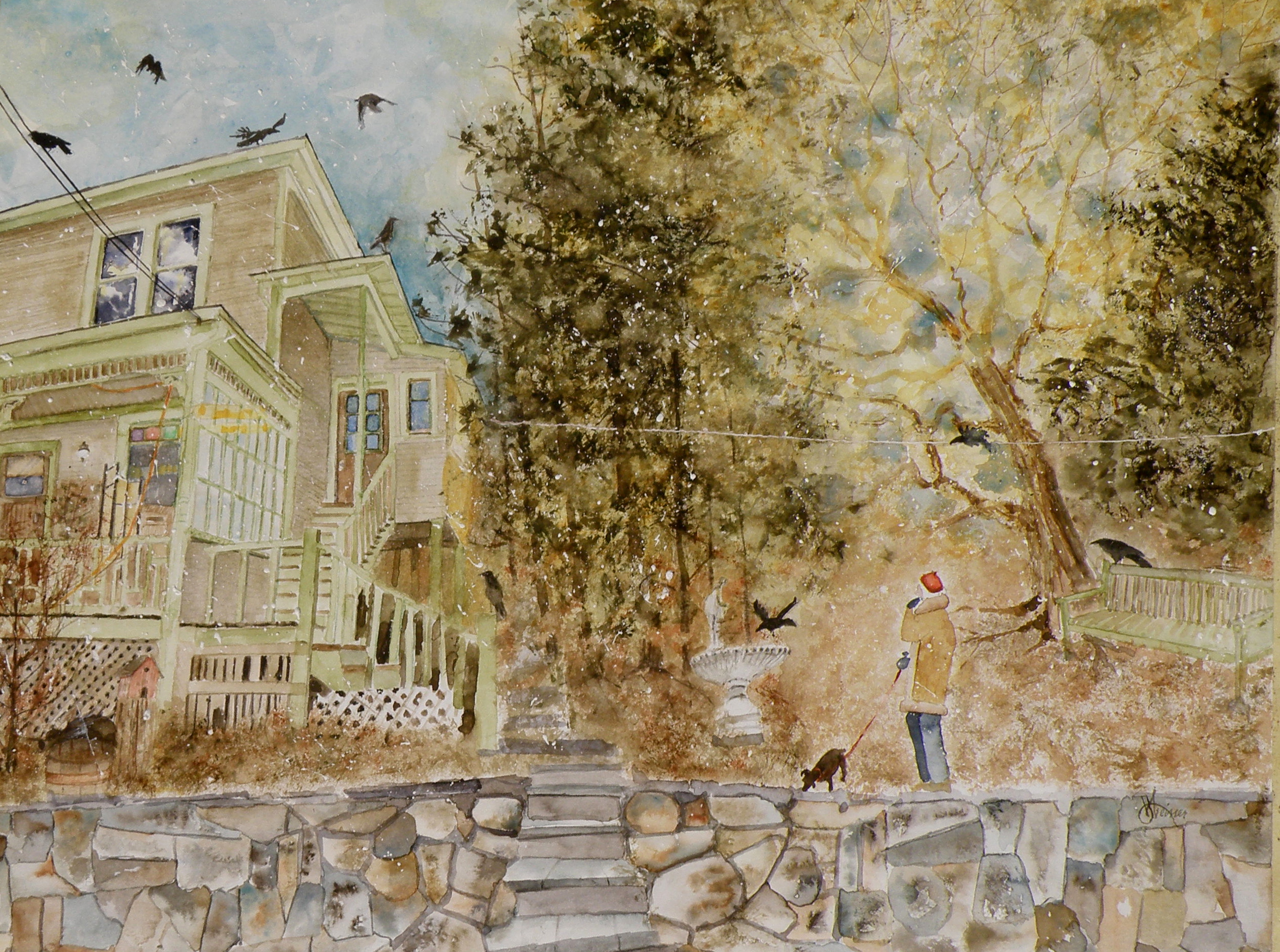
‘Where The Heart Is’
watercolour, 41cm x 50cm (16″ x 20″), 140 lb. Arches Hot Press Paper, J. R. Weisser Collection
THE INTENTION of this rather busy piece of work is simply to allow the viewer entry into Joan’s world. Sometimes our hearts want to be filled–if not by another’s affections, then by the things we’ve grown fond of–and sometimes, not just filled, but rather overflowing with so much that we’ve come to take heart in, that its accumulated presence brings with it a comfort.
A CONSTABLE OF RAVENS watches over and protects and guards the fading beauty of Seasons gone by, loves had and interred, and a lasting, loving sanctuary of the heart–as yet another Autumn invites one inside to sit by the fire and grow warm, and remember.
local recognition
April 23, 2015
IT IS ALWAYS VERY NICE when what is for me a self-educational hobby, receives outside recognition, as in this edition of our locally-published ‘Currents’ Magazine . . .
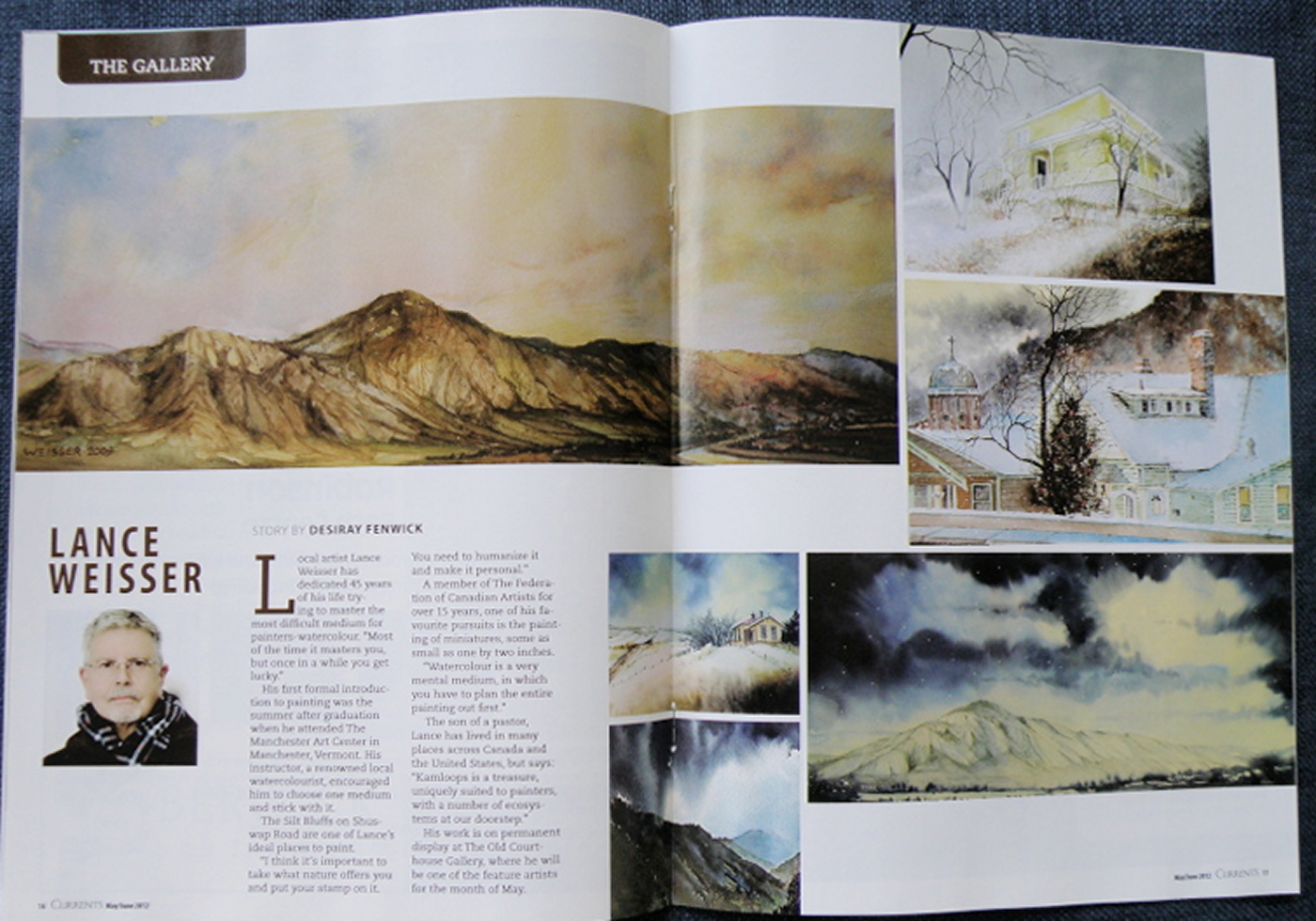
KAMLOOPS (derived from a First Nations word meaning, ‘crux of two rivers’) is a wonderful city for promoting The Arts. We have a great live theatre venue, with a full annual repertoire of plays, as well as a number of smaller companies and our own symphony.
the stuff of watercolour
April 22, 2015
WATERCOLOUR is simply a mixture of pigment (ground-up minerals: organic and synthetic) held in a semi-solid form by a binder (usually gum arabic). In days of yore (not that long ago)–this was sold in little square cubes, called pans or cakes. The pans are ‘activated’ by adding a drop of water to them, causing the gum arabic to dissolve enough for the pigment to loosen and adhere to the brush tip.
TODAY IT IS DIFFICULT (for me) to find the pans, which have only pigment and a touch of gum arabic in them. Today everything is sold in tubes. This isn’t because tubes are so superior. No. It is because the painter gets stuff like water, glycerin, corn syrup, and who-knows-what-else, and only then, some pigment. . .

I HAVE PANS (winsor newton) which are 40 years old and just as good and useable as ever.

DO YOU THINK my pallets are messy? Have a gander at the pallet of one of the most renowned watercolourists, ever–Winslow Homer . . .

FROM THIS MESS he painted this . . .
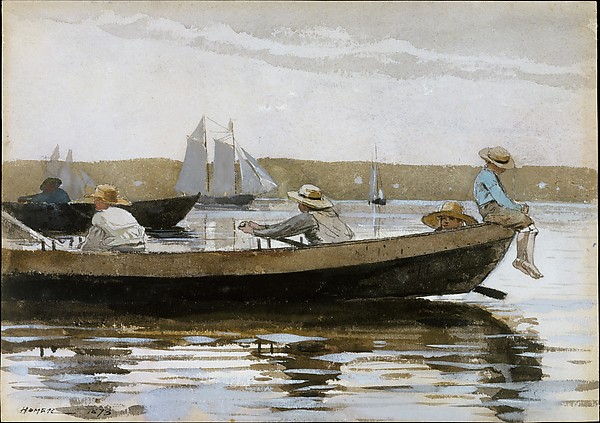
“Boys In A Dory”, Prouts Neck, Maine, Metropolitan Museum of Art, Winslow Homer, 1873, 25cm x 35cm, watercolour on paper
The only comparison which has any remote bearing is the messiness of our pallets. Other than that, watercolour painters of my calibre only stand in awe of his eternal greatness.
BEFORE YOU GO, do have a look at another of Winslow Homer’s delicious watercolours . . .
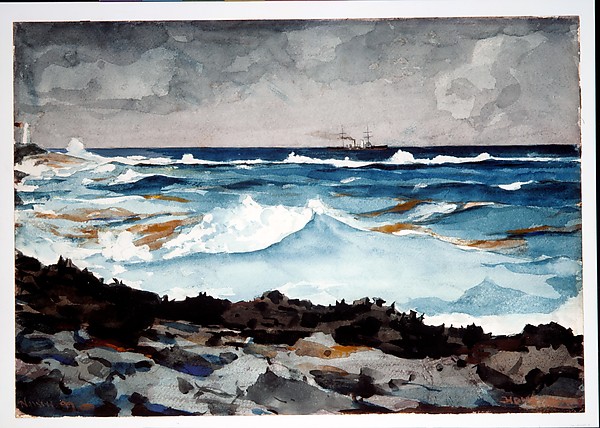
“Shore and Surf, Nassau”, Winslow Homer, 38cm x 54cm, 1899, Metropolitan Museum of Art
WOW. This man did not paint over top of washes (except to strengthen the intent of the line) allowing the whiteness of the paper to pass through, dazzling the eye. And adding even more punch, Winslow Homer did not shrink from placing great and deep darks right beside the lightest lights, thus heightening the power of the contrast. What a master. Wow.
The Common Raven (corvus corax)
April 21, 2015
THE COMMON RAVEN is amply represented in British Columbia and enjoys the distinction of co-existing with people for thousands of years, to the point where–in Haida Nation tradition–the Raven has god-like qualities. It was the Raven which released the Sun from its little box–made the stars and moon–and even brought people out of the earth in order to populate a party being thrown. But in traditional stories Raven doesn’t actually create (make things out of nothing), so much as steal, exchange, rearrange and redistribute and generally push things around into new combinations. If that isn’t humanlike, I don’t know what is, lol.

“Spring Thaw”
watercolour on art board, 20 cm x 28 cm (8″ x 11″), sold
In Kamloops it is against the law to feed them, as well as crows. A buyer of my work named Joan pours bags of cat kibble into her elaborate and large cement bird baths in the Winter and revels in their continuous, noisy presence. The neighbours? not so much. When they report her, she just pays the fine and keeps at it.
ACEOs (Art Card Editions and Originals)
April 20, 2015
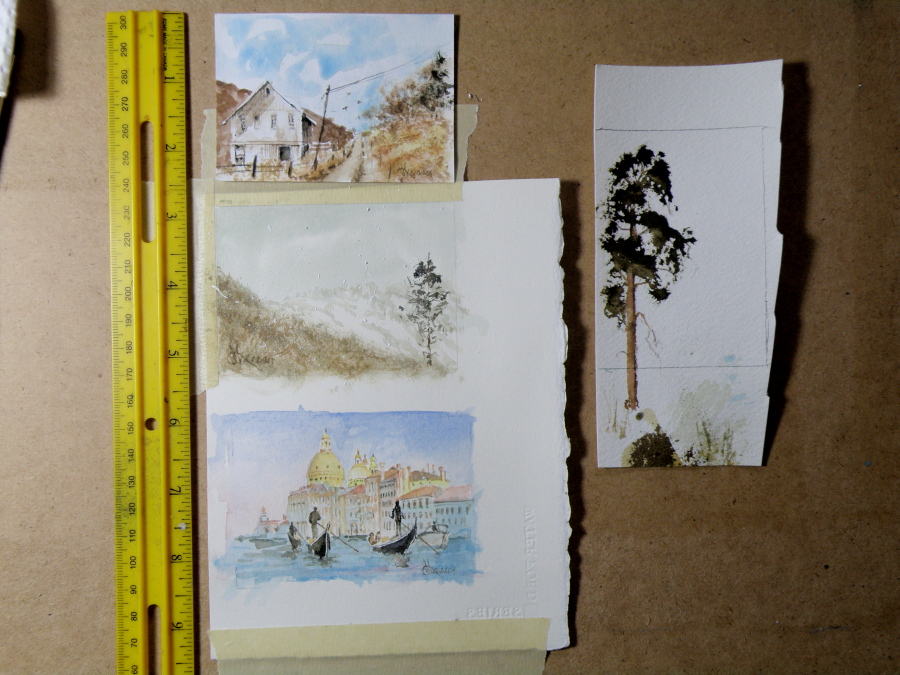
ARTIST TRADING CARDS aka ART CARD EDITIONS AND ORIGINALS are popularly known as ACEOs. ACEOs are the size of baseball cards–65mm x 89mm (2.5″ x 3.5″) and are purchased and then traded and sold the way sports cards are. The ACEO movement originated in Switzerland in the 90s but grew in popularity through eBay, where art cards are now sold and bought on a 24hr basis.
They require precision and are very enjoyable to do. But then, who wouldn’t be fascinated by the challenge of painting tiny things (smile). The subject matter can be chosen by the purchaser, and the painting done accordingly.
beyond cool …..
April 19, 2015
Do yourself BIG FAVOUR and go visit . . .
ART LESSONS FOR BEN
http://benjamindraws.com/caricature-3/
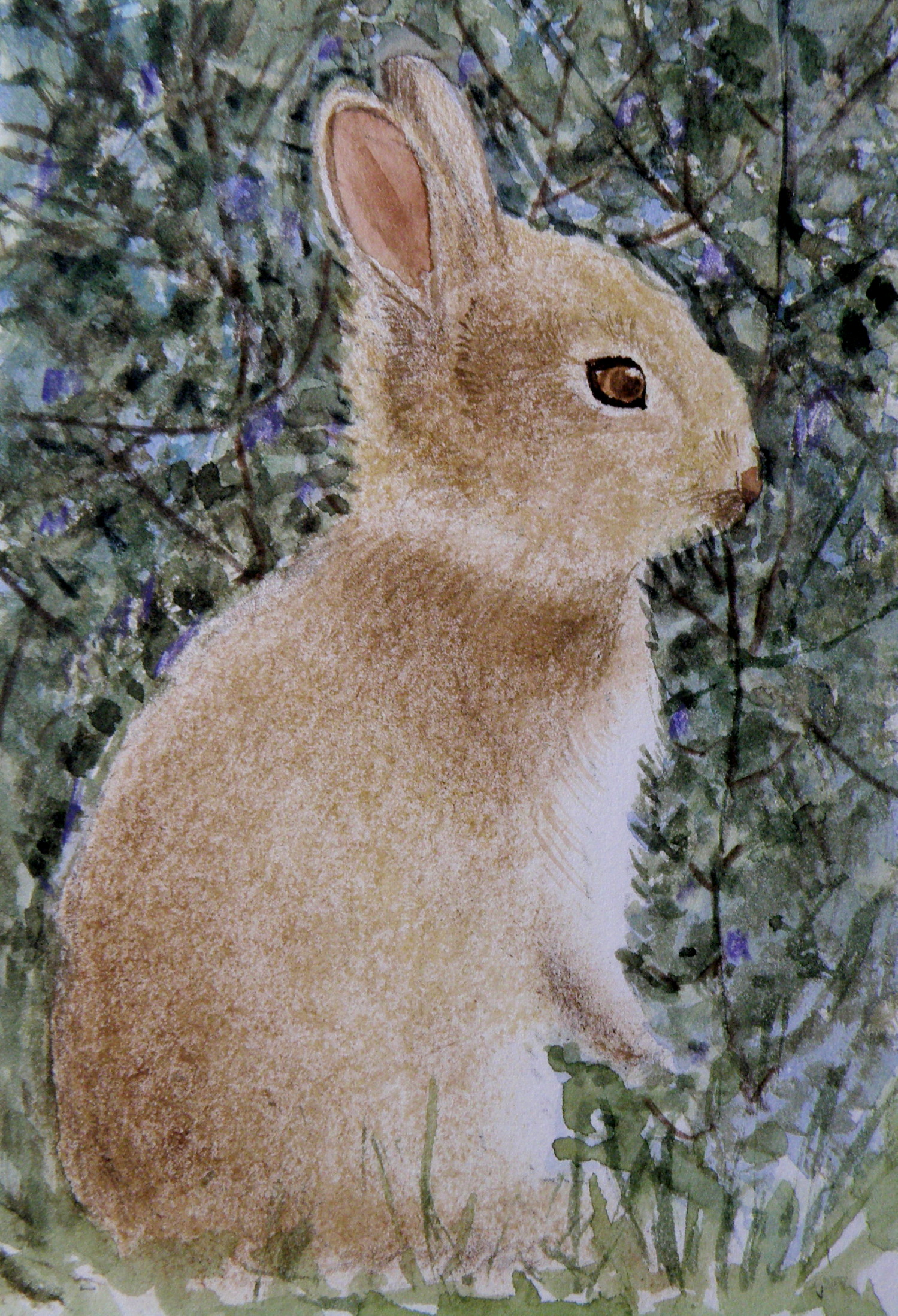
Spring means….bunnies
April 17, 2015
Finished work….”Logged-In”
April 16, 2015
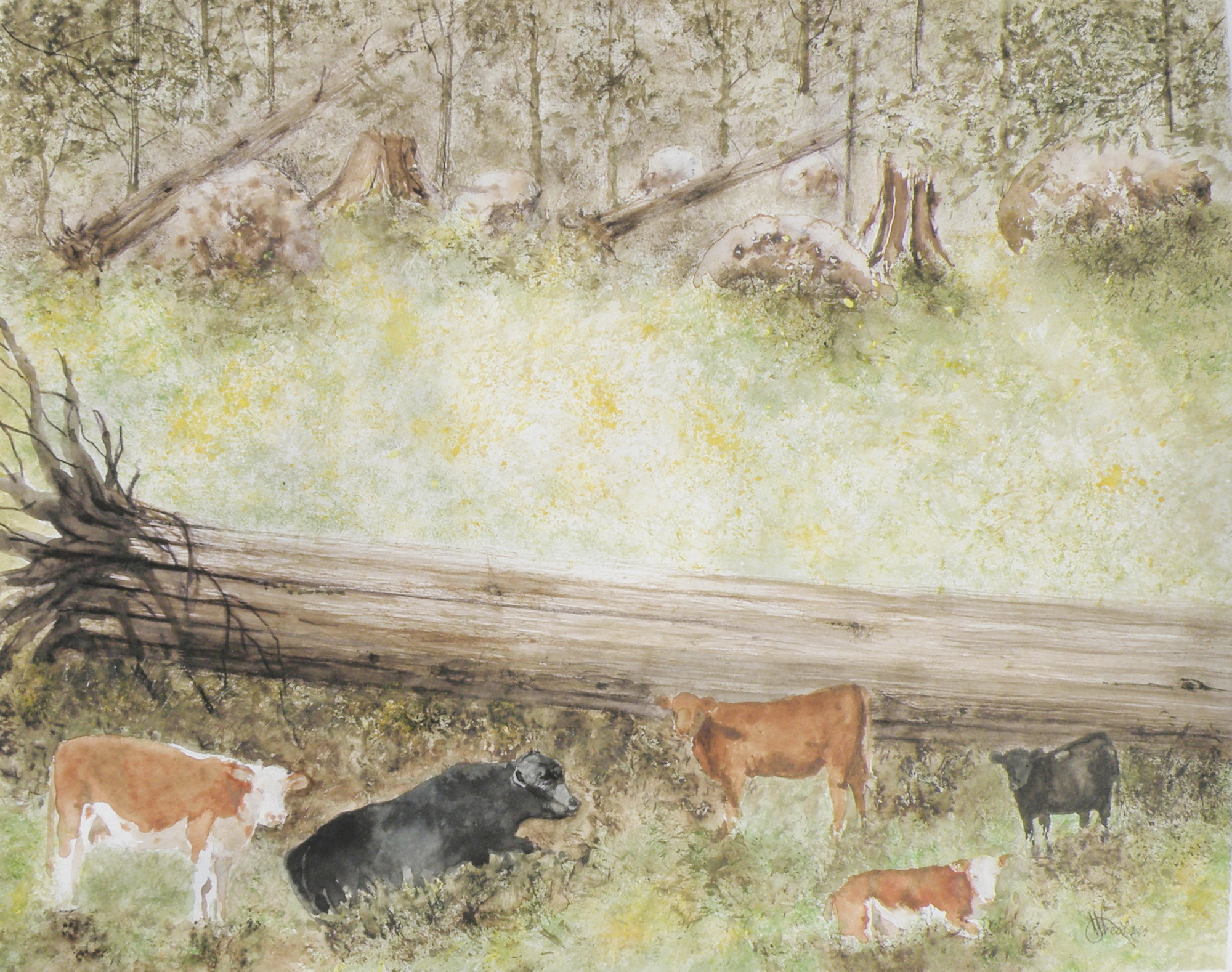
“Logged-In”, 25.5 cm x 35.5 cm (10″ x 14″), Watercolour on Arches 140 lb Hot Press paper, (donated to Kamloops Art Gallery Annual Art Auction)
painting progression 4 . . . “Cows”
April 15, 2015
THESE ARE BEEF COWS, Herefords, the breed most favoured by ranchers in our region. Their origins descend from small red cattle introduced by The Romans in ancient Britain, along with breeds from old Wales, their subsequent nurtured evolution taking place in Herefordshire where the Hereford is king. Today more than five million pedigree Hereford cattle exist in over 50 countries.

BECAUSE THE LARGE FALLEN CEDAR is indicated with only a minimum of brushwork it is necessary to help give it size, weight and substance through the simple use of shadow.
painting progression 3 . . . . “Cows”
April 14, 2015
THE SUBJECT MATTER comes from this photo, very quickly taken when we’d stopped the car on the dirt road running through The Dewdrop Valley (just outside the city limits of Kamloops) after I’d yelled, ‘Cows!’
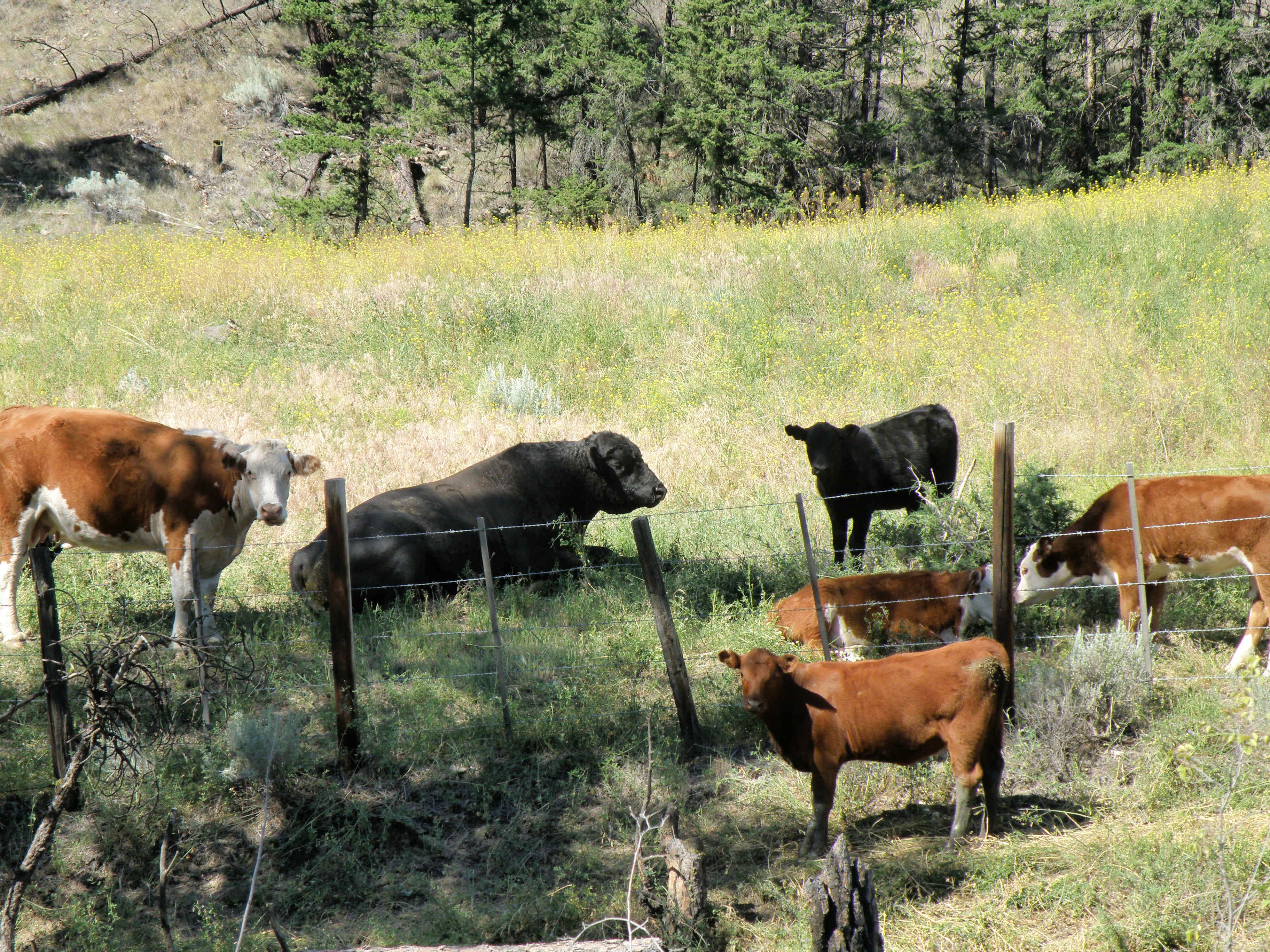
This grouping was described to me by my friend Max as a perfect example of a bull and his harem–and the ‘harem’ got nervous and didn’t remain in place very long once I began snapping pictures. The bull couldn’t have cared less what I was up to, and just lay there chewing.
The very prominent tree in the painting is placed to provide focus. Rather than leave in the barbed wire fence (in front of them), a natural enclosure is placed behind to sneak a storyline into the scene (the best grass lies out of reach)—that, and taking out the wire fence gives a more natural feel to the setting.
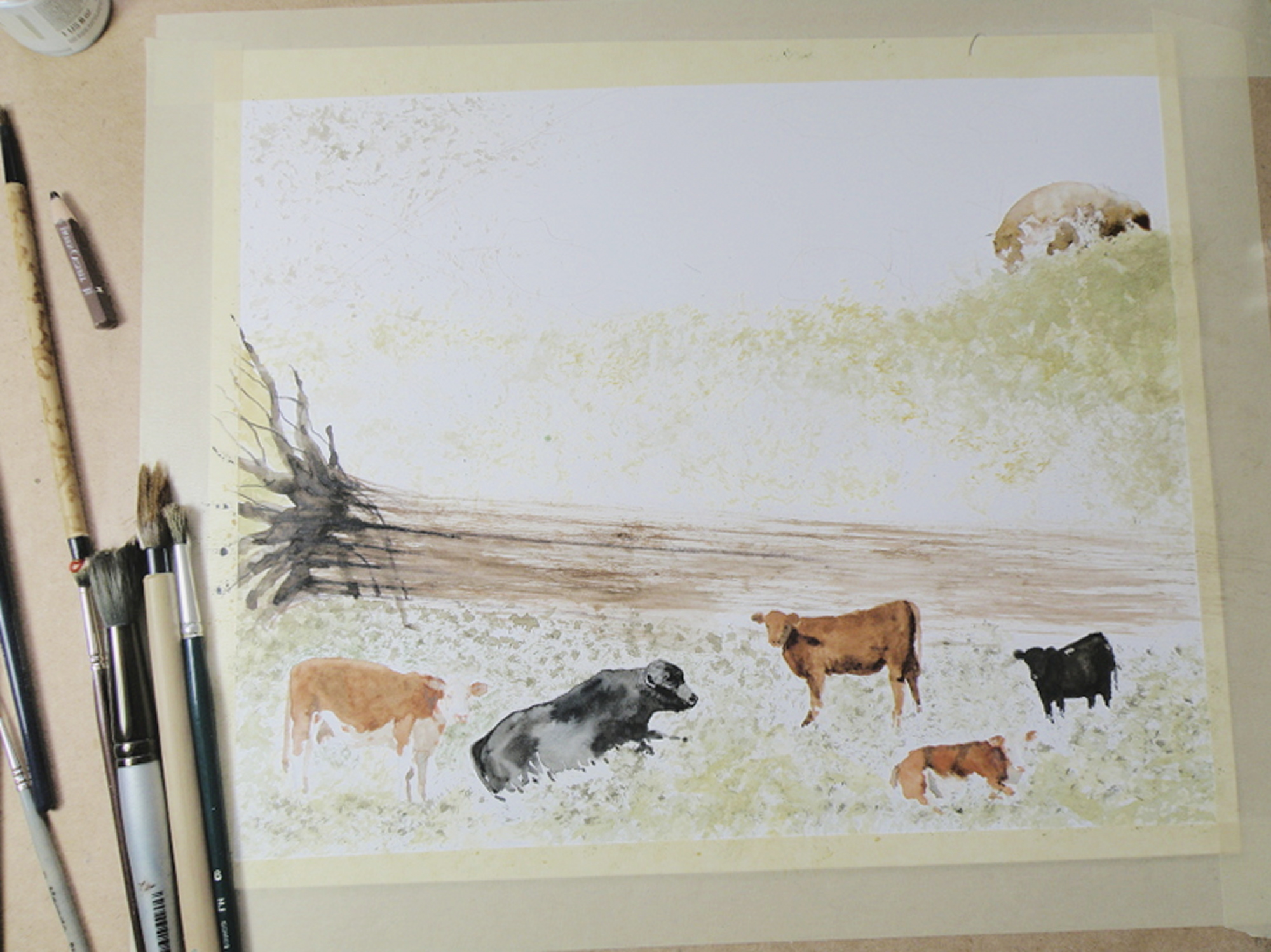
IN THIS GRASS RICH region, cattle roam all over boulder-strewn and mountainous terrain throughout the Spring and Summer. They are finally rounded up on horseback in classic cowboy style in the Autumn. Because of this, the beef from Kamloops is renowned for its organic, grass fed superior flavour and quality.
painting progression . . . 2 “Cows”
April 13, 2015
THE PAPER IN USE HERE is a very smooth-surfaced one called Hot Press (140 lb.) by the French Company, Arches (a very old watercolour paper maker). Hot Press paper has virtually no surface texture at all and is slightly cream-toned. When papers are this smooth, the paint initially floats on top before being absorbed. This floating quality creates effects a rough surfaced paper can’t deliver.

So Hot Press paper looks and feels pretty much like dollar store poster paper–smooth, shiny, and about the same thickness. And because it is not a heavy paper, and because it is so smooth, Hot Press watercolour paper cannot take a lot of scrubbing out if mistakes are made. The painter needs to be rather confident about the strength and amount of pigment to use before putting brush to paper. So because I am always a bit tentative when beginning to paint something as challenging as an animal, I gain confidence by always having a scrap piece of watercolour paper handy to try things out on first. Once I see how to do it on a scrap piece of paper, then I have confidence to do the same thing on the painting itself.
It needs to be stressed that Arches paper is superb and bears absolutely no comparison to poster paper when paint is applied to it. The weight (140 lb) is how thick the paper is. 300 lb. paper is very thick and therefore can take a lot more scrubbing and multiple washes, without losing luminosity. The downside is that 300 lb. watercolour paper is quite a bit more expensive. And when I work on very expensive paper, I am too aware of its cost. That makes me somewhat nervous about possibly ruining the painting. So I usually choose 140 lb. paper because if it gets ruined, I am not that concerned, and so therefore approach the painting with more boldness which gives a better result.
Painting progression 1. . . ‘Cows’
April 11, 2015
THE DEWDROP VALLEY is a local site and part of a much larger area near Tranquille River and the Tranquille River Gorge. In essence, the Dewdrop is really rocky, hilly, grass-and-tree- covered pasture for cows and cattle during the Spring and Summer months. The Kamloops Thompson Nicola Shuswap Region is no-nonsense cowboy rancher country, complete with serious Rodeos and horse and rider cattle round-ups in the Autumn.
This is the first of recording daily progress towards completing a watercolour depicting a typical scene in The Dewdrop Valley . . . .
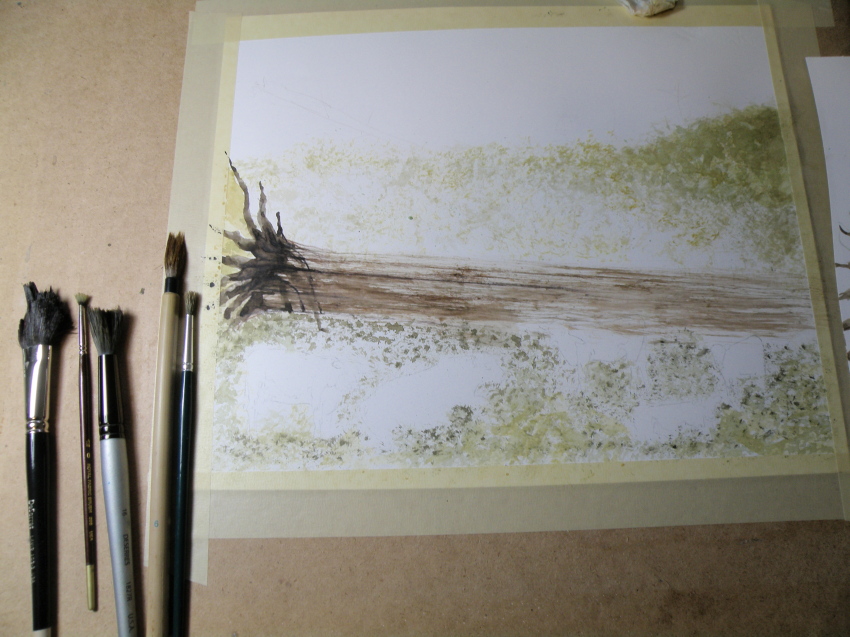
ON DISPLAY are a fine collection of tortured brushes. Some are from dollar stores or second hand bargain stores, and as soon as they get into the spare bedroom cum studio they’re cut up with scissors. None of them cost more than $2, and who knows what they’re made of–Moose? Sasquatch hair, perhaps. Each, however, is priceless.
Miniatures: Chipmunk
April 10, 2015
AS CHILDREN we always gravitated towards Chipmunks, squatting in total stillness with extended hands, hoping one would overcome its natural wariness and take the peanut being offered. The sprightly flicks of tail and peppy darts forward to snatch the gift–so quickly and deftly we didn’t see or feel it leave our palm–only added more charm to their compact, large-eyed, tiny bodied allure. On the other hand, the Grey Squirrel was just a nuisance. I guess size and colour made all the difference in our juvenile minds between one rodent’s mystique and another’s ho-hum plainness. We didn’t entice Squirrels. We threw sticks at them. Their raiding our bird feeders didn’t win them any points, either, I must say….
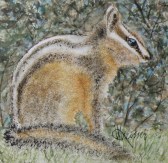
watercolour, 10cm x 10cm (4″ x 4″), art board
Local Mountains 2
April 9, 2015
THIS COMPLETED PAINTING of the mountains in our Kamloops area was in need of cropping in order to strengthen the composition . . .
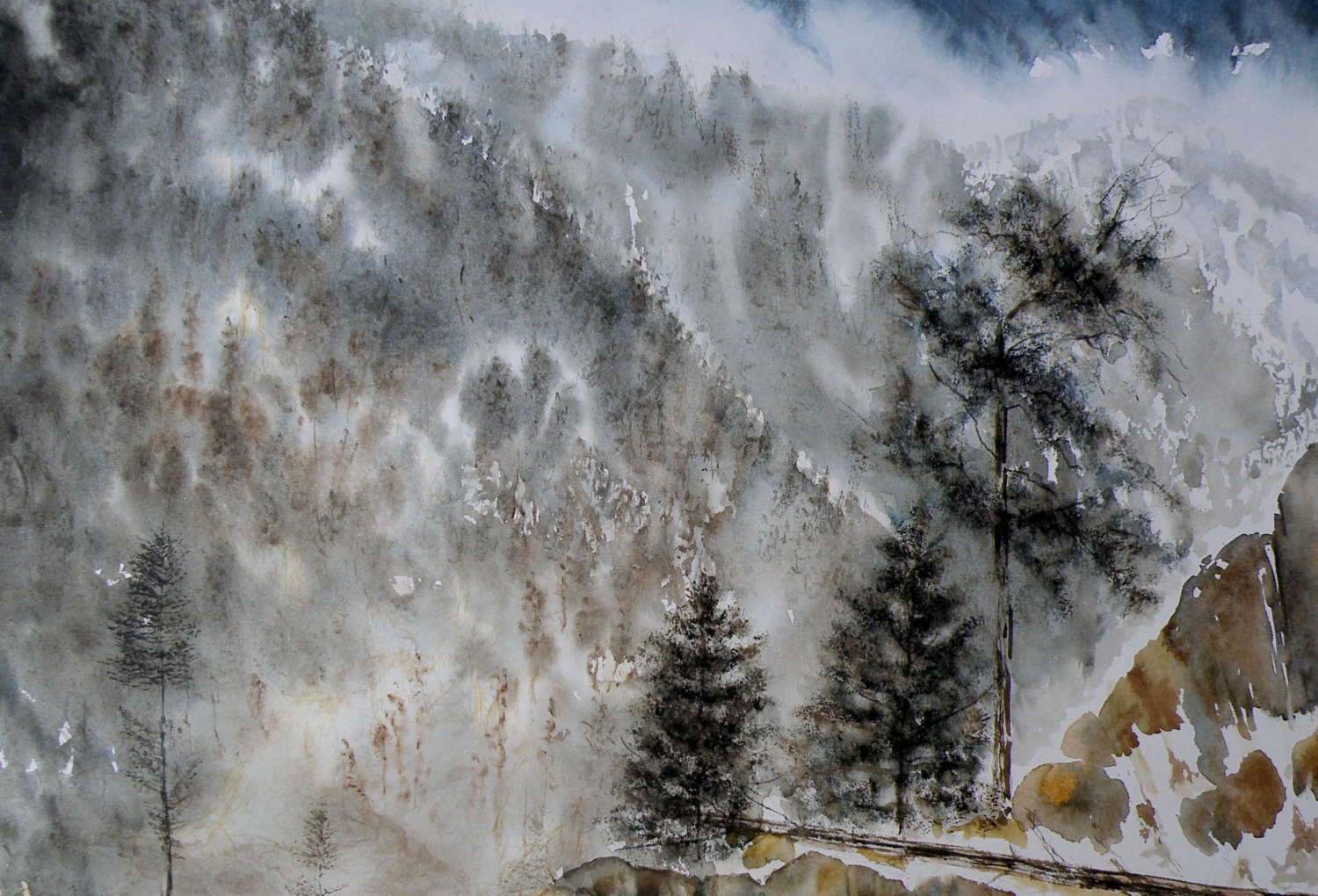
THE PAINTING WAS REDUCED IN SIZE down to this as the completed painting .. .
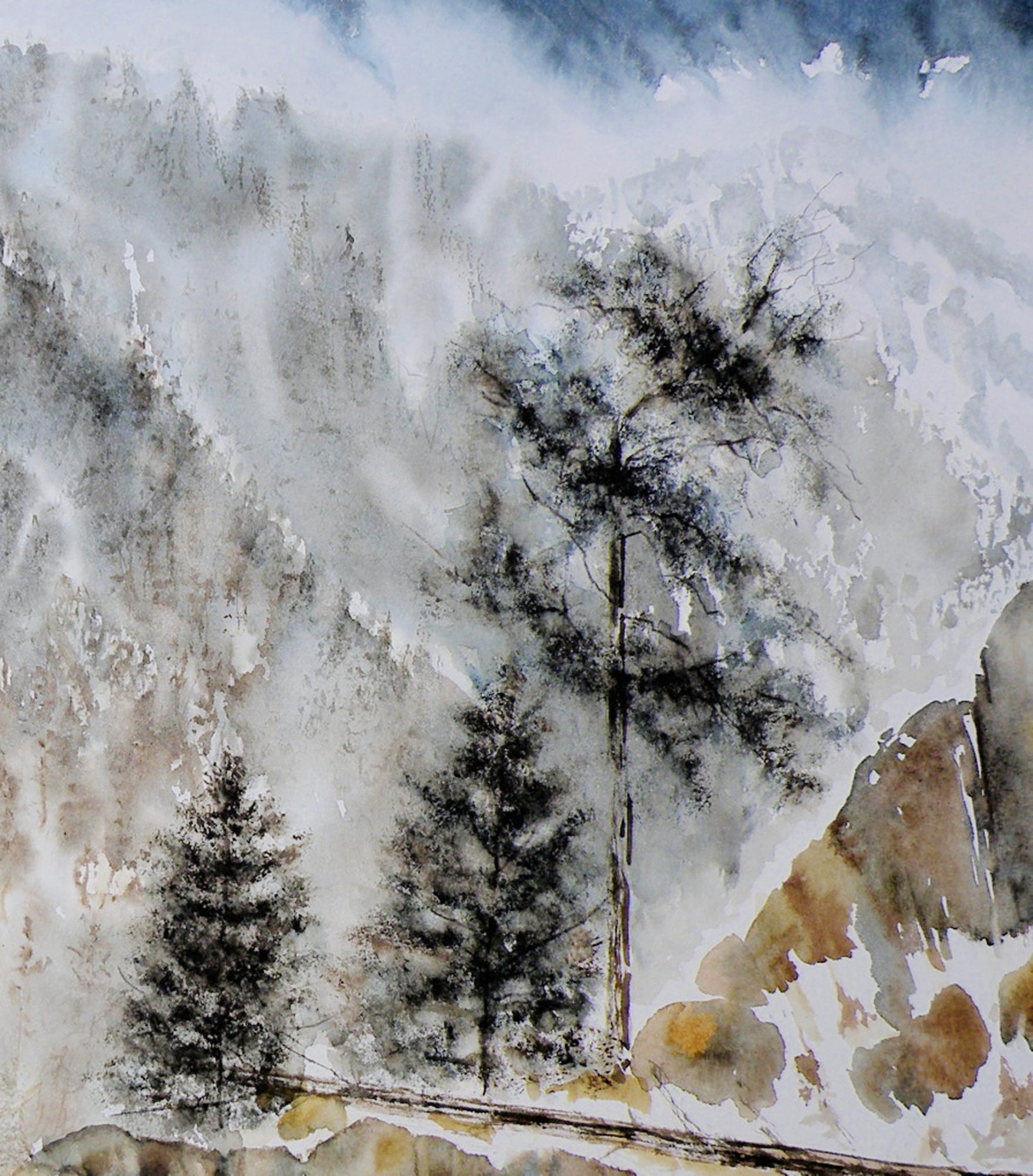
THE CHOPPED OFF parts of cropped work can successfully be made into bookmarks, I’ve found, and then be sold for around $2 ea in our little co-op Gallery (www.kamloopscourthousegallery.ca). Waste not, want not, lol!
Local Mountains
April 8, 2015
A decision has to be made as to whether this painting ‘holds up’, composition-wise. It succeeds in conveying the misty atmospheric conditions of winter in the mountains. But the composition is troubling me.
 weisserwatercolours
